

Surviving the Holidays with Lyme: The Travel, Stress & Sleep Strategies I Personally Use to Prevent Flares
Nov 25, 2025
Surviving the Holidays with Lyme: Travel, Stress & Sleep Tips I Actually Use
The holidays are often described as “the most wonderful time of the year,” but for people living with Lyme disease, they can feel overwhelming, physically draining, and emotionally complicated. Travel, disrupted routines, back-to-back social events, and pressure to “keep up” can all increase symptom intensity or even trigger flare-ups.
If you’ve ever felt anxious heading into the holiday season because you’re worried your body won’t keep up — you’re not alone. In this guide, I’m sharing the real strategies I personally use to survive the holidays with less discomfort, less stress, and way fewer flare-ups.
This is the guide I wish I had years ago.

Why the Holidays Are Especially Tough with Lyme
Lyme can flare when the body experiences physical stress, emotional stress, or disruptions to routine — all things the holidays almost guarantee.
Common holiday triggers include:
- Travel and long commute days
- Overpacked schedules
- Noisy or overstimulating gatherings
- Inflammatory holiday foods
- Changes in sleep environment
- Expectations from family
- Guilt when your body can’t keep up
If the holidays feel heavier than joyful, I promise: nothing is wrong with you. Lyme makes everything harder — and understanding why helps you prepare with compassion instead of frustration.
Part 1: How to Manage Holiday Stress When You Have Lyme

Stress is one of the fastest and most powerful flare triggers. That’s why managing stress isn’t optional — it’s protective.
1. Identify Your Personal Holiday Stress Triggers
Everyone’s body reacts differently, but common Lyme-related triggers include:
- Loud, crowded spaces
- Overcommitting to events
- Hosting responsibilities
- Family dynamics or pressure
- Traveling too frequently in a short time
- Feeling torn between FOMO and fatigue
Once you know your triggers, you can build a plan around avoiding or minimizing them.
2. Tactical Tools to Reduce Stress
These techniques truly work and make a noticeable difference:
👉 The One-Event-Per-Day Rule
Reduce inflammation and overstimulation by giving your body breathing room.
👉 The Exit Strategy Technique
Let the host know beforehand:
“I may slip out early if my symptoms act up.”
It removes the pressure instantly.
👉 Boundary Scripts You Can Use Word-for-Word
- “I’d love to come, but I need to keep this visit short.”
- “I won’t be staying late — my body needs a strict routine right now.”
- “I need to pace myself today.”
👉 Micro-Resets for the Nervous System
These tiny tools help bring the body out of fight-or-flight:
- 2-minute breathwork
- 5-minute outdoor breaks
- Humming (vagus nerve activation)
- Gentle neck massage
- A warm drink + quiet corner moment
3. Addressing Holiday Guilt
This one is big.
You are not “letting people down.”
You are protecting your health in a season that demands too much.
Releasing guilt is part of healing.
Part 2: How to Travel with Lyme Without Crashing
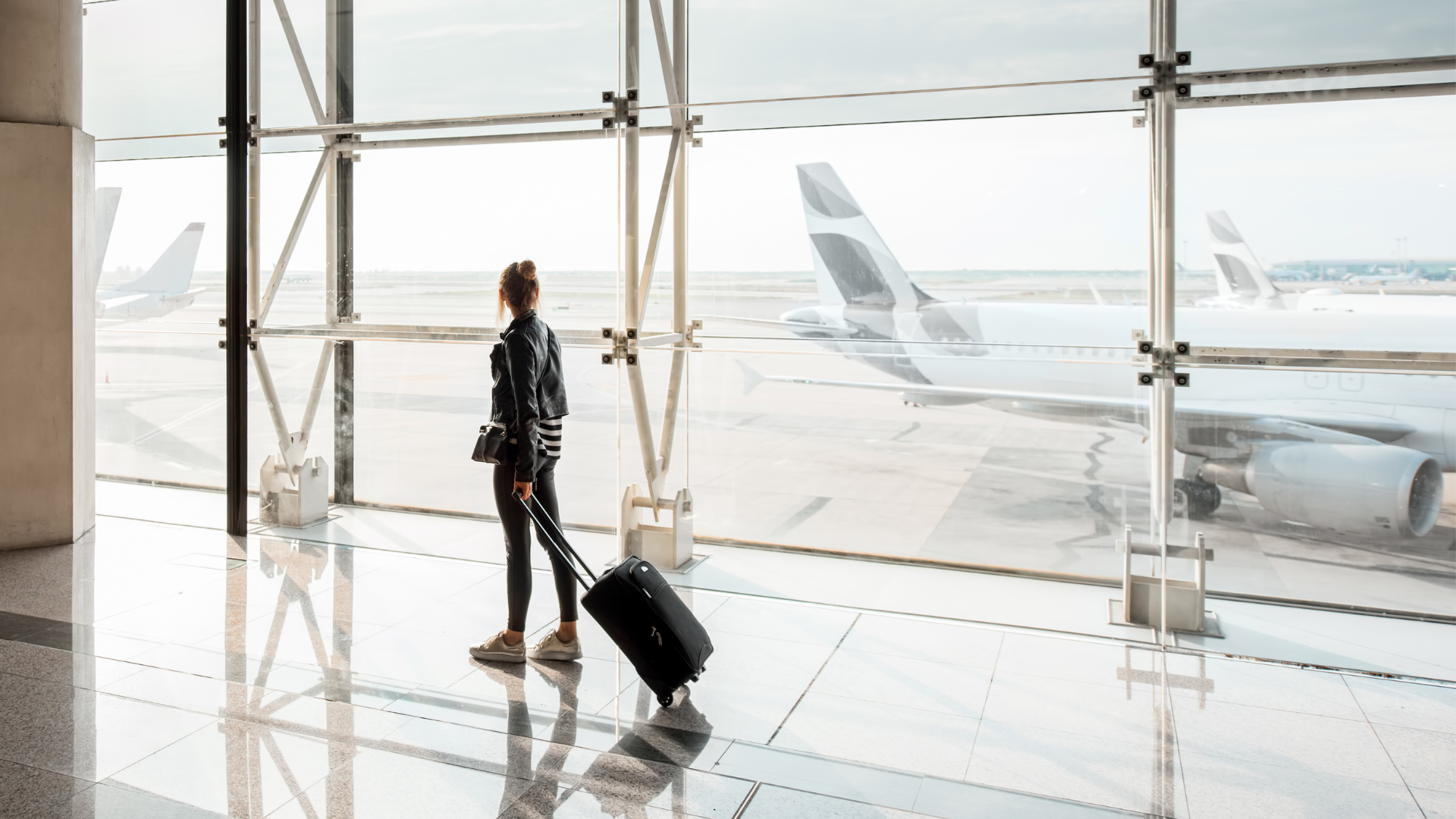
Travel is stressful for anyone — but with Lyme, it’s a whole different level. Here’s how to make it manageable.
1. Create a Lyme-Friendly Packing Checklist
A travel day is not the time to discover you’re missing something essential.
Pack for comfort, stability, and symptom prevention:
- Supplements + medications
- Electrolytes
- Heating pad or heat patches
- Ice packs (if allowed)
- Compression socks
- Noise-canceling headphones
- Neck pillow or lumbar support
- Healthy snacks (to avoid inflammatory foods)
2. During the Trip
Flying or long drives can flare symptoms. These habits make a HUGE difference:
Hydration + Electrolytes Ritual
Travel is dehydrating — especially flights.
Start electrolytes the day before and continue through the travel day.
Move Every 45–60 Minutes
Helps with circulation, stiffness, and fatigue.
Immune Protection
- Wear a mask in crowded areas
- Use hand sanitizer
- Avoid touching your face
- Give your immune system breaks throughout the trip
3. Energy Pacing for Travel Days
The two rules I swear by:
Pre-Rest:
Rest before the travel day, even if you feel “fine.”
Post-Rest:
Give yourself downtime or a whole buffer day afterward.
Your body needs space to recover.
Part 3: Keeping a Stable Sleep Routine While Traveling

Sleep is usually the #1 trigger for Lyme flares.
Holidays are the perfect storm for disrupting it — late dinners, noisy homes, unfamiliar beds, jet lag, social pressure, you name it.
1. Why Holidays Disrupt Sleep
And why your symptoms might spike:
- Staying up later than normal
- Bright or noisy sleeping spaces
- Eating heavier foods
- Changing time zones
- Sharing rooms
- Stress or overstimulation
2. Tools to Protect Your Sleep
This is your holiday survival kit:
- Eye mask
- Earplugs
- Magnesium
- Lavender oil
- White noise app
- Weighted eye pillow
- Blue-light blockers
3. Create a Travel-Night Routine
- Light stretching
- Warm shower
- No screens 60 minutes before bed
- Calming breathing exercises
4. Managing Sleep Anxiety
Adopt the “good enough sleep” mindset.
You don’t need perfect sleep — just enough to keep your system stable.
Part 4: What to Do If a Flare Happens During the Holidays
Sometimes, even with the best planning, your body still needs a break.
1. Early Warning Signs
Look for:
- Sudden fatigue
- Joint pain
- Mood shifts
- Brain fog
- Light sensitivity
- Increased inflammation
The earlier you respond, the smaller the crash.
2. My Personal Flare Protocol
- Anti-inflammatory meals
- A full rest day (yes — even during the holiday!)
- Gentle stretching or short walks
- Supplements approved by your doctor
- Lower your schedule for 24–48 hours
3. Simple Ways to Communicate What You Need
You don’t have to explain your entire medical history.
Try:
- “My symptoms are acting up, I need to rest today.”
- “I’ll join back in when I can.”
- “I need a slower morning to let my body catch up.”
Clear. Kind. Boundaries intact.
My Personal Story
I remember my first Thanksgiving and Christmas with Lyme...
I sat staring straight ahead, wondering if I would be able to avoid the pie, cookies, cakes, and alcohol for an entire evening.
The smells wafting through the air, people laughing, and expecting me to be someone who I always was.
When people asked me if I was going to drink, or eat sugar...I just told them I was not going to do it this year.
It was a boring answer that nobody wanted to hear, but no matter how hard they tried to convince me, I stuck to my guns and I was personally proud of myself and happy that I had such boundaries and made them clear.
It feels good to hold yourself to a higher standard and to have a reason that you are following through with your plan to get better.
I'm so glad I decided to stay on the healing path, and I'm sure this saved me months of time in the long run, and maybe even hundreds of dollars!
Final Takeaways: You Can Enjoy the Holidays with Lyme
You don’t need to power through.
You don’t need to prove anything.
You don’t need to match anyone else’s pace.
If you take anything from this guide, let it be this:
✔ Pace yourself
✔ Protect your sleep
✔ Listen to your body before symptoms escalate
Gentle, intentional choices lead to a calmer, more joyful holiday season.


